Home / Mountains / Mount Hayachine
Mount Hayachine 早池峰
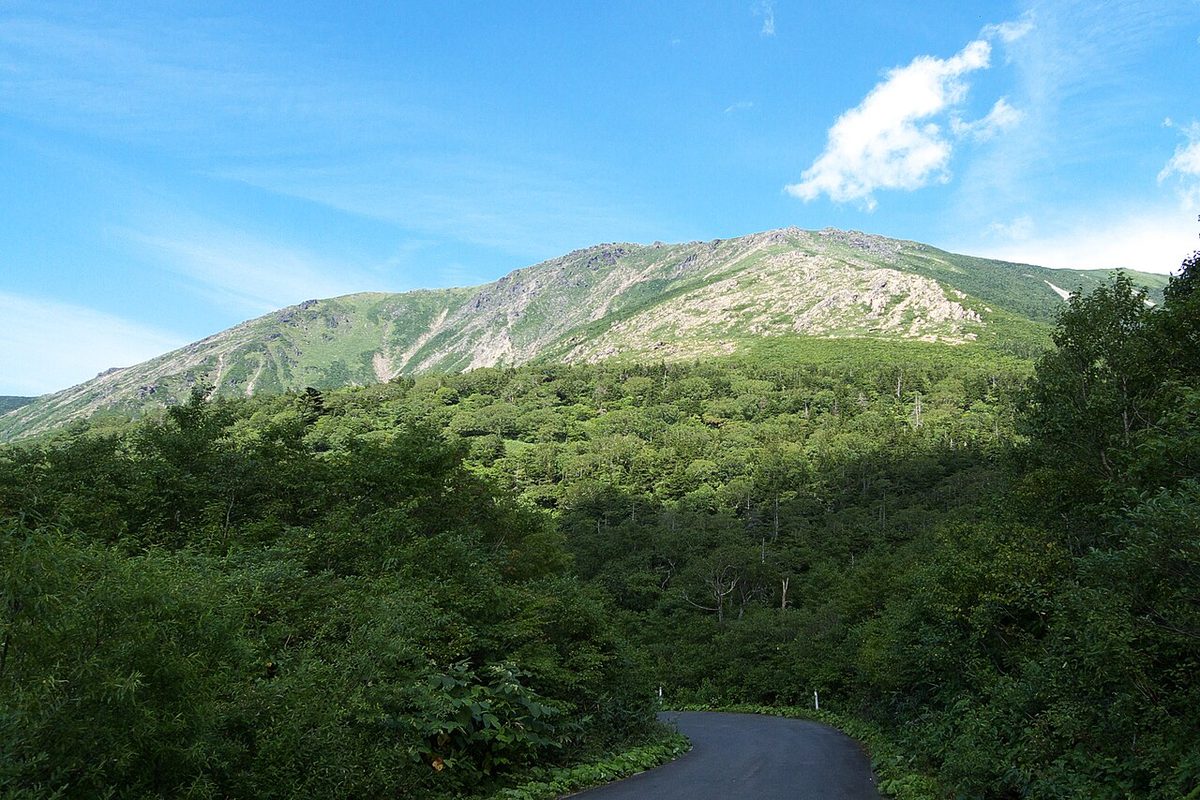

| Elevation | 1,917 m (6,289 ft) |
|---|---|
| Location | Iwate, Japan |
| Region | Tohoku |
| Famous Mountains list | No. 14 of the 100 Famous Japanese Mountains (Nihon Hyaku-meizan) |
| Coordinates | 39.55833° N, 141.48889° E |
Mount Mount Hayachine is at an altitude of 1917m at Iwate. The first-class triangle is 1313.61 meters. It's called "Shooyama." Along with the six-horn mountain and Mount Hikoku. The top of the mountain is the border of three cities in Miyagi, in Faro, and in Chiwa. XXQ030X and the 100 Famous Japanese Mountains have been recorded by that name.
Nature
The vertical distribution of vegetation from the mountain range is also excellent. In this area, wild-driven plants are forbidden to be caught, gathered, cut wood, and sample minerals and clay. Also, Mount Hayachine and XX056X on the south side, P5463ha was designated June 10th as "Mount Hayachine State Park."
Faith
At the top and base of the mountain, there was a Mount Hayachine shrine, where mountain worship flourished since the time of the Shinto cult. The Mount Hayachine Godliness has been known to dance enthusiastically in hand with the sword that has been taught in the Mount Hayachine.
Mythary legend
There's a myth in Oahu, where Ashiya and Mount Oeung have fought for Mount Ebina, but there's a myth similar to this in Mount Mount Hayachine. The Mount Iwate and ZXZQ030X are said to have been in bad company and associated with the princess Mount. On the other hand, Mount Iwate hates Princess Mountain, and has tried to send her to a distant mountain, but it has also been reported that because of the failure of the mountain to carry out his task, the angry Mount Iwate pulled out its sword and struck the head of the mountain, while the angry mountain on the other side of Mount Iwate is the one whose head is cut off by the angry mountain. In "The Strange Story," there's a story of great power for the zXQ030X goddess who prayed for strength. According to The Foreign Story, a long time ago, a goddess took three daughters to stay with her in Izu rights town, and gave her a nice mountain. Three women woke up in the middle of the night and stole from their sister's chest some spiritual Chinese and got the most beautiful Mount Hayachine.
Climbing
There are three residential houses in the village, and the mountain climbs as a starting point. On Sunday, June 2 to August 1st, Sunday, Sunday, and Sunday, June 1st, Sunday, Sunday, Sunday, Sunday, Sunday, Sunday, Sunday, Sunday, Sunday, Sunday, Sunday, Sunday, Friday, Sunday, Sunday, Sunday, Sunday, Sunday, Sunday, Friday, Sunday, Sunday, Sunday, and Sunday, Friday, Friday, Sunday, Friday, Friday, Sunday, Sunday, Friday, Sunday, Sunday, and Monday, Friday, Sunday, Sunday, Friday, Sunday, Sunday, Sunday, Sunday, Friday, Friday, Friday, Sunday, Sunday, Sunday, Friday, Sunday, and Friday, Friday, Friday, Friday, Friday, Friday, and Friday, Friday, Friday, and Friday, Friday, Friday, Friday, Friday, Friday, Friday, and Friday, and Friday, and Friday, all the day, from the summer, from the spring, from the mountain, from the fall to the mountain. The mountain is in the east and west, the runways through the henhead, and the climbs from the north, but since the view is not long, it is common to take advantage of the two mountain roads on the south side. From May 28th to May 28th, it has been closed down for the time being, due to the fall of the mountain road.
Mount Hayachine water source forest
The range is a specific area of Mount Hayachine National Park, and the forest is designated as "Mount Hayachine Forest." It's the water source of the water source of the streams of the Ise and the Shanghai River, where the water is stored in the Mount Hayachine dam and used for irrigation and electricity. It's also used to grow Iwana and other plants. The location: Iwate
Text adapted from the Japanese Wikipedia article 早池峰山, whose full text was translated into English for this guide by its contributors, licensed CC BY-SA 4.0. Elevation and location facts cross-checked with Wikidata (CC0) and the 100 Famous Japanese Mountains list (Japanese Wikipedia, CC BY-SA 4.0).